
freestanding led mirror
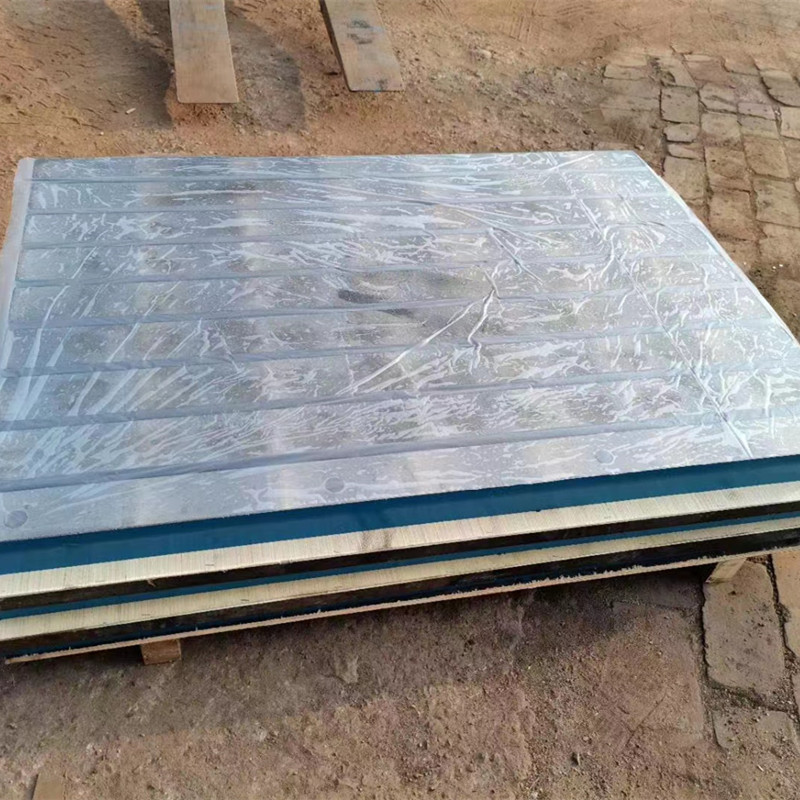
The Essentials of Metal Table Fabrication Metal table fabrication is a specialized process that involves the creation of custom metal tables for various applications, ranging from industrial settings to residential furniture. As a crucial aspect of metalworking, this field combines art with engineering, producing durable and aesthetically pleasing products. This article delves into the key components of metal table fabrication, including materials, techniques, design considerations, and the benefits of custom metal tables. Materials Used in Metal Table Fabrication The selection of materials is fundamental in the fabrication of metal tables. Common choices include steel, aluminum, stainless steel, and a range of alloys. Steel is favored for its strength and durability, making it ideal for industrial applications where heavy loads are commonplace. Aluminum, on the other hand, is lightweight and resistant to corrosion, making it suitable for outdoor furniture and applications where portability is essential. Stainless steel is often employed for its aesthetic appeal and resistance to rust, making it a popular choice in restaurants and modern home designs. Techniques in Metal Table Fabrication The fabrication process begins with precise measurements and design plans. Advanced software enables fabricators to create detailed blueprints, ensuring accuracy in the final product. Following the design phase, various fabrication techniques are employed. 1. Cutting Metal is cut to size using techniques such as laser cutting, plasma cutting, or traditional methods like sawing. Laser cutting is particularly popular due to its precision and ability to create intricate designs. 2. Forming This involves bending or shaping the metal into the desired form. Techniques like welding and metal stamping may be used to create legs, frames, or decorative elements. 3. Joining Welding is a common method for joining pieces of metal together, providing strength and stability. Other methods, such as riveting or using bolts, may also be employed depending on the design requirements. metal table fabrication 4. Finishing The final touches involve applying protective coatings or paints to enhance durability and aesthetics. Options like powder coating or anodizing can improve resistance to corrosion and scratches, ensuring that the tables maintain their appearance over time. Design Considerations When designing metal tables, several factors must be taken into account. The intended use of the table greatly influences its design. For instance, a table intended for heavy machinery may require thicker steel and reinforced joints, while a dining table might prioritize aesthetics and comfort. Additionally, the table's ergonomics, size, and shape must be carefully considered. Customization allows for a wide range of styles, from minimalist industrial designs to ornate, artistic pieces that serve as focal points in a room. Collaboration between designers and fabricators is crucial to achieve a functional yet stylish table that meets the specific needs of the client. Benefits of Custom Metal Tables Custom metal tables offer numerous advantages over mass-produced alternatives. Firstly, they provide a perfect fit for specific spaces, allowing for more efficient use of areas that may not accommodate standard sizes. Secondly, custom tables can be tailored to match existing decor and design schemes, enhancing the overall aesthetic of any space. Moreover, metal tables are exceptionally durable, often outlasting wooden or plastic options, making them a cost-effective investment in the long run. Their resistance to wear and tear is particularly advantageous in commercial settings, where longevity and reliability are paramount. Conclusion Metal table fabrication is a blend of creativity and technical expertise, culminating in products that satisfy both practical and aesthetic needs. With a focus on quality materials, precision techniques, and thoughtful design, custom metal tables can transform spaces while offering unmatched functionality. As businesses and homeowners continue to seek unique solutions for their environments, the demand for skilled metal table fabricators is likely to grow, ensuring that this craft remains relevant and thriving.
about
freestanding led mirror
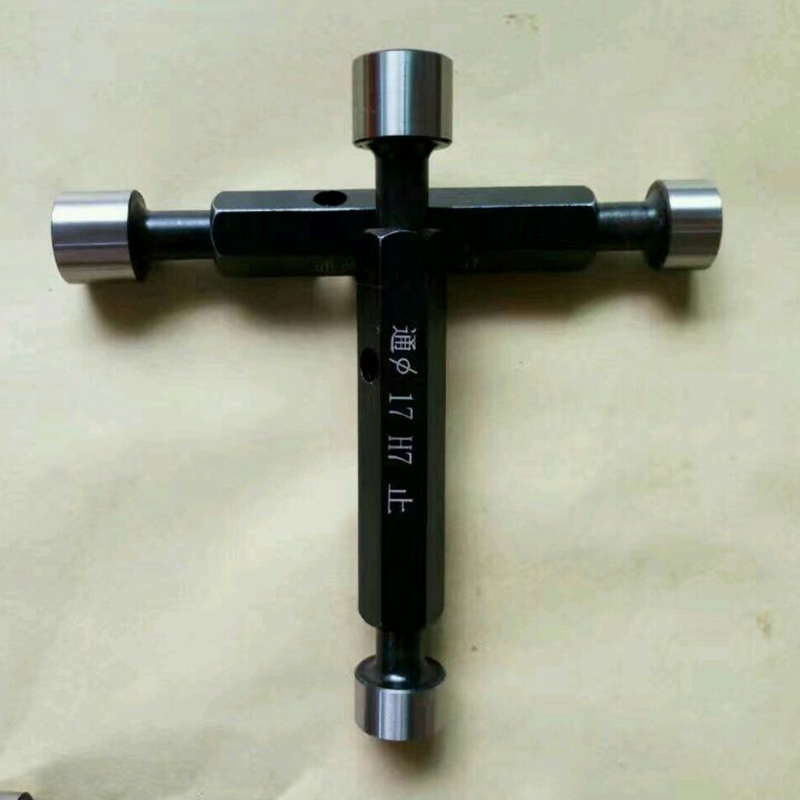
Understanding the Taper Ring Gauge A Comprehensive Overview In the realm of precision engineering and manufacturing, accuracy and consistency are paramount. One tool that plays a crucial role in achieving these standards is the taper ring gauge. This precision instrument is often employed to measure the dimensions of cylindrical objects, particularly those that require a high degree of tolerance and conformity to specified measurements. In this article, we will delve into the applications, features, and significance of the taper ring gauge. What is a Taper Ring Gauge? A taper ring gauge is a specialized tool designed for measuring the size and taper of cylindrical components, especially those that are conical in shape. The gauge features a tapered interior with grooves that correspond to various sizes and tolerances. This allows users to determine whether a particular workpiece meets specified dimensions by checking how far the gauge fits onto the tapered end of the component. Applications of Taper Ring Gauges Taper ring gauges find their primary applications in several industries, including 1. Manufacturing In manufacturing environments, taper ring gauges are instrumental in quality control processes. They ensure that parts produced are within the specified tolerances necessary for assembly and function. For example, components like pipes, fittings, and other machined parts often require taper measurements to ensure proper fit and alignment. 2. Automotive Industry The automotive sector employs taper ring gauges to measure various engine components, fuel systems, and exhaust parts. Ensuring that these parts fit properly is critical for performance, safety, and efficiency. 3. Aerospace Given the stringent quality assurance standards of the aerospace industry, taper ring gauges are used to verify the dimensions of components used in aircraft and spacecraft . Correct measurements can be the difference between operational efficiency and catastrophic failure. taper ring gauge is used for 4. Construction In building and construction applications, taper ring gauges assist in ensuring that fittings and joints comply with structural specifications. Advantages of Using Taper Ring Gauges The use of taper ring gauges offers several advantages 1. Precision Measurement With their design tailored for specific measurements, taper ring gauges provide an accurate means to inspect the sizes of tapered components. This precision helps in minimizing errors in production. 2. Ease of Use Taper ring gauges are user-friendly. Their straightforward design allows operators to quickly and accurately assess whether parts meet specifications, reducing the time required for inspections. 3. Durability Made from high-quality materials, taper ring gauges are built to withstand the rigors of industrial environments. They can provide reliable service over extended periods, making them a cost-effective investment for manufacturers and quality assurance professionals. 4. Versatility Taper ring gauges can be utilized across various sectors, making them versatile tools in the toolkit of engineers, machinists, and inspectors alike. Conclusion In conclusion, taper ring gauges are essential tools in modern manufacturing and engineering practices. They play a pivotal role in ensuring that cylindrical components meet strict dimensional tolerances and quality standards. By facilitating accurate measurement of tapered components, they help prevent costly errors and inefficiencies in production processes. As industries continue to advance and prioritize precision, the significance of tools such as the taper ring gauge cannot be overstated. Embracing such instruments is vital for any organization aiming to maintain excellence in quality control and product reliability. Engaging with taper ring gauges not only enhances operational standards but also reflects a commitment to innovation and precision in the competitive landscape of manufacturing and engineering.
-

High quality industrial productsagement

High quality industrial products
View Details -

Meet the diverse needs of customers

Meet the diverse needs of customers
View Details -

Strict quality control

Strict quality control
View Details -

Top raw materials

Top raw materials
View Details -

Trusted supplier

Trusted supplier
View Details
Our application


news and information

vibration pads
Understanding Vibration Pads A Comprehensive Guide In today’s fast-paced world, where machinery and
water pressure check valve
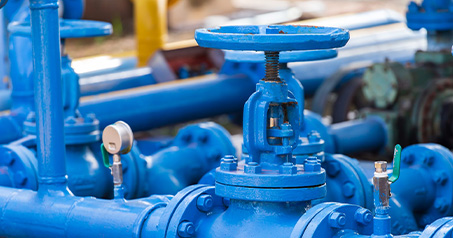
Understanding Water Pressure Check Valves Importance, Functionality, and Maintenance Water pressure
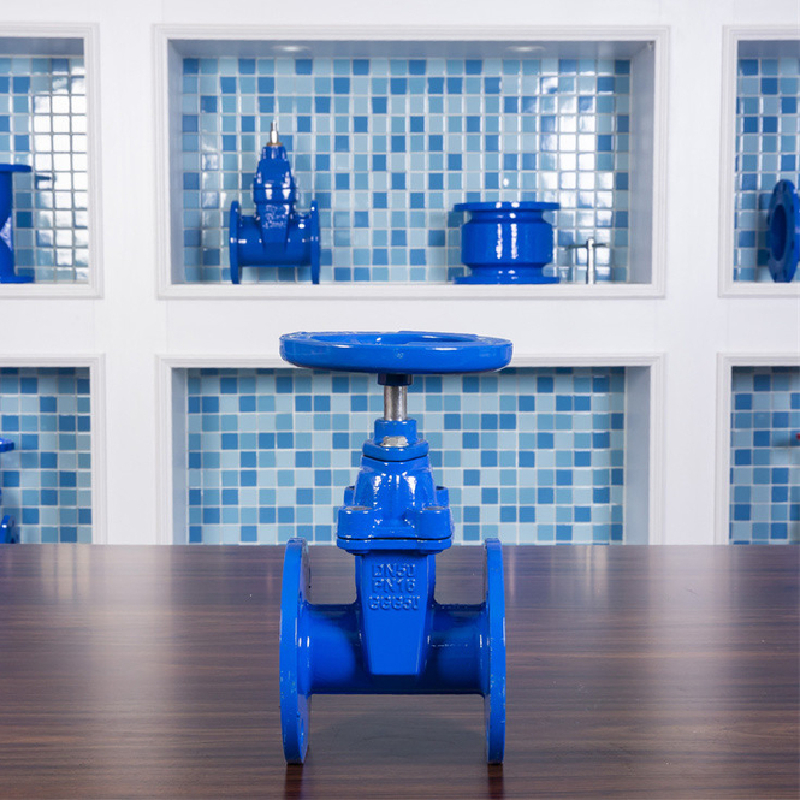
Welding Fabrication Table for Streamlined Metalworking Processes and Efficiency
Understanding Welding Fabrication The Importance of the Welding Fab Table Welding fabrication is a c
 English